A beautiful garden doesn’t have to come with endless hours of upkeep. By carefully selecting plants, materials, and techniques, you can create a low-maintenance garden that looks great year-round with minimal effort. Whether you’re a busy homeowner or just prefer a simpler approach to gardening, here are some tips to help you create a low-maintenance garden that thrives in every season.
1. Choose Perennials Over Annuals
One of the easiest ways to reduce garden maintenance is to choose perennials instead of annuals. While annuals need to be replanted each year, perennials come back season after season, saving you time and effort in replanting.
- How to choose the right perennials:
- Native plants: Select plants native to your region as they’re naturally adapted to the local climate and soil conditions. This makes them more resilient and less dependent on frequent watering or special care.
- Drought-tolerant perennials: For a garden that can withstand dry spells, choose drought-tolerant perennials like lavender, sedum, or Russian sage. These plants thrive with little water once established.
- Variety for year-round interest: To keep your garden looking vibrant in all seasons, choose perennials that bloom at different times of the year. For example, early spring bloomers like daffodils can be complemented by summer bloomers like black-eyed Susans and fall-flowering asters.
- Why it works: Perennials are long-lasting and require less replanting, making them a low-maintenance choice for a garden that flourishes year after year.
2. Opt for Mulching to Reduce Weeds and Watering
Mulching is a key strategy for any low-maintenance garden. A thick layer of mulch helps suppress weeds, retain soil moisture, and regulate soil temperature, which means less time spent weeding and watering.
- How to use mulch effectively:
- Choose organic mulch: Organic mulches, like shredded bark, compost, or straw, not only help control weeds but also improve soil quality as they decompose.
- Apply the right amount: Spread a 2-3 inch layer of mulch around plants, being careful not to pile it directly against the stems or trunks. This depth is ideal for preventing weed growth and conserving moisture.
- Reapply annually: Add a fresh layer of mulch each year to maintain its effectiveness and give your garden a neat, tidy appearance.
- Why it works: Mulch reduces the need for frequent weeding and watering by keeping the soil moist and weed-free, making garden maintenance much easier.
3. Incorporate Low-Maintenance Shrubs and Evergreens
Shrubs and evergreen plants are great for providing structure to your garden without requiring much upkeep. Many shrubs are low-maintenance, needing only occasional pruning, while evergreens offer year-round color and interest.
- How to select shrubs and evergreens:
- Choose slow-growing varieties: Slow-growing shrubs like boxwood or dwarf holly require less frequent pruning, which means less time spent maintaining their shape.
- Consider flowering shrubs: Hydrangeas, lilacs, and spireas are low-maintenance flowering shrubs that add beauty to your garden with minimal care.
- Add evergreens for winter interest: Evergreens like juniper, arborvitae, and spruce provide structure and greenery even during the coldest months, ensuring your garden looks attractive all year.
- Why it works: Shrubs and evergreens require little maintenance once established, and their year-round presence helps create a garden that looks full and vibrant in every season.
4. Install Drip Irrigation or Soaker Hoses
Watering can be one of the most time-consuming aspects of gardening, but using drip irrigation or soaker hoses can make this task nearly effortless. These systems deliver water directly to the base of your plants, reducing water waste and ensuring deep, consistent hydration.
- How to set up drip irrigation or soaker hoses:
- Use drip irrigation for precision: Drip irrigation systems consist of tubing with small emitters that release water slowly at the base of each plant. This method conserves water and prevents evaporation.
- Soaker hoses for larger areas: If you have a larger garden, soaker hoses can be laid along garden beds to provide slow, even watering. Simply connect the hose to a timer to automate the process.
- Add a timer: Installing a timer allows you to automate watering so your garden stays hydrated without constant attention.
- Why it works: Drip irrigation and soaker hoses reduce the need for manual watering, saving time and ensuring plants get the moisture they need, even during dry spells.
5. Group Plants with Similar Needs
One of the most effective ways to reduce garden maintenance is to group plants with similar water, sunlight, and soil requirements together. This makes it easier to care for them without needing to adjust your watering or fertilizing routines for different sections of the garden.
- How to group plants:
- Sunlight needs: Place sun-loving plants like coneflowers and yarrow together in sunny areas, while shade-loving plants like hostas and ferns should be grouped in shadier spots.
- Watering needs: Drought-tolerant plants should be grouped in areas where you don’t need to water frequently, while more moisture-loving plants, like ferns and astilbes, can be placed in areas with consistent irrigation.
- Soil needs: Pay attention to soil type and pH when grouping plants. Acid-loving plants like rhododendrons should be placed together in soil with the right pH, while plants that prefer neutral soil can be grouped elsewhere.
- Why it works: Grouping plants with similar needs simplifies your watering, fertilizing, and maintenance routines, ensuring that each plant gets the right care without extra effort.
6. Limit the Lawn Area
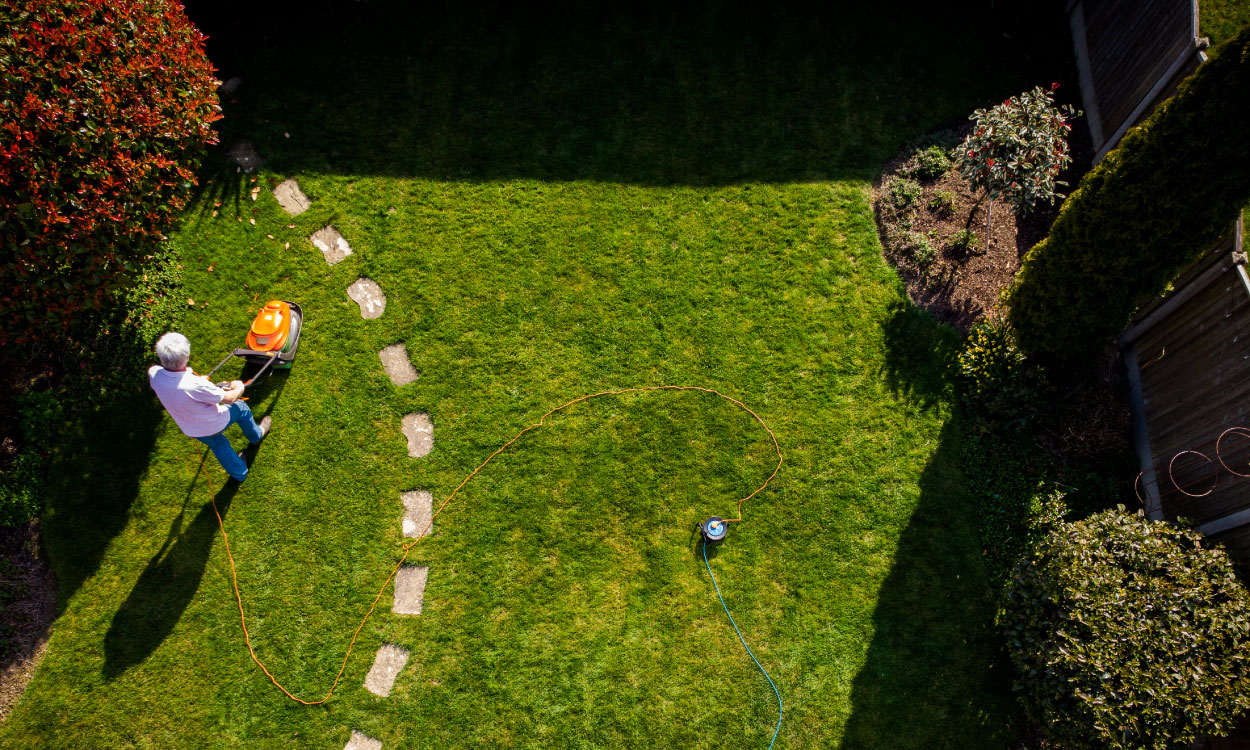
Maintaining a lush, green lawn can be one of the most labor-intensive parts of gardening. By limiting the size of your lawn and incorporating low-maintenance ground covers, you can significantly reduce the time and effort needed to care for your garden.
- How to reduce lawn maintenance:
- Replace grass with ground covers: Low-growing ground covers like creeping thyme, sedum, or vinca minor can take the place of traditional grass in some areas. These plants require less water and mowing than a standard lawn.
- Create garden beds: Expand your garden beds or add gravel paths to reduce the overall size of your lawn. This not only cuts down on mowing time but also creates more room for low-maintenance plants.
- Use artificial turf for high-traffic areas: For high-traffic areas, like walkways or play areas, consider installing artificial turf. It requires no watering or mowing and maintains its appearance year-round.
- Why it works: By reducing the lawn area and replacing it with low-maintenance alternatives, you can cut down on mowing, watering, and fertilizing, making your garden much easier to care for.
7. Use Raised Beds or Containers
Raised beds and containers are ideal for creating a low-maintenance garden. They offer better control over soil quality, drainage, and weed growth, which reduces the amount of work needed to keep plants healthy.
- How to set up raised beds or containers:
- Raised beds: Use raised beds to control soil conditions and reduce weed growth. By elevating the soil, you also make it easier to reach plants without bending or kneeling.
- Containers: Container gardening allows you to grow plants in pots or planters that can be moved around to optimize sunlight and water. Containers also reduce the need for weeding and can be filled with low-maintenance plants like succulents or herbs.
- Choose the right soil: Fill raised beds and containers with high-quality potting soil or compost to ensure plants have the nutrients they need. This reduces the need for frequent fertilizing.
- Why it works: Raised beds and containers provide greater control over the growing environment, making it easier to maintain healthy plants without constant weeding or adjusting soil conditions.
8. Use Low-Maintenance Ground Covers
Ground covers are a great alternative to traditional grass lawns and can fill in empty spaces with minimal effort. Once established, they can help suppress weeds and reduce the need for frequent watering.
- How to choose the right ground covers:
- Creeping thyme: This fragrant, drought-tolerant ground cover forms a dense mat and produces small flowers in the summer. It’s perfect for sunny areas and requires little water once established.
- Sedum: A hardy succulent, sedum comes in various colors and sizes and is ideal for low-water gardens. It spreads easily and can fill in gaps between larger plants or rocks.
- Vinca minor: This shade-loving ground cover has evergreen leaves and produces small blue or purple flowers. It’s perfect for filling in shady spots and requires little care once planted.
- Why it works: Ground covers reduce the need for mowing and weeding while adding texture and color to your garden. They’re a low-maintenance option for filling in spaces where traditional plants may struggle to grow.
Final Thoughts: A Garden That Thrives Year-Round with Minimal Effort
Creating a low-maintenance garden doesn’t mean sacrificing beauty or variety. By choosing the right plants, using smart watering techniques, and reducing lawn space, you can design a garden that looks great in every season with minimal upkeep. Whether you’re a busy homeowner or simply prefer a low-effort approach to gardening, these tips will help you create a thriving, easy-to-care-for garden that you can enjoy all year long.