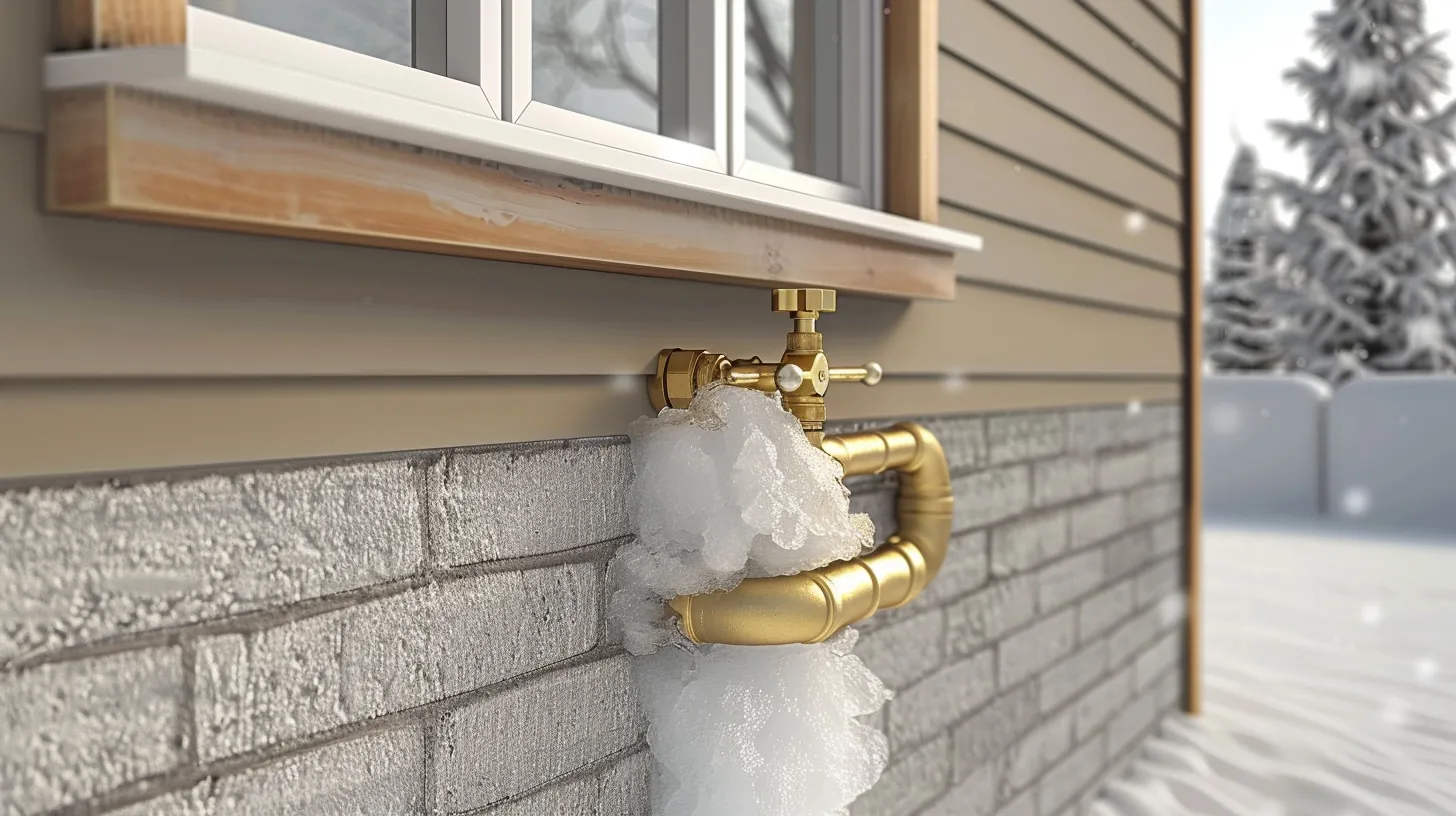
The holidays often bring cold weather, and frozen pipes can be an unwelcome surprise in the middle of your celebrations. When water inside pipes freezes, it expands, increasing the risk of burst pipes and costly damage. Luckily, with some preventive measures, you can keep your pipes safe and ensure a stress-free holiday season. Here’s how to protect your pipes from freezing.
1. Insulate Exposed Pipes
Pipes located in unheated areas, such as basements, attics, garages, or crawl spaces, are the most vulnerable to freezing.
- How to insulate:
- Use foam pipe insulation or heat tape to wrap exposed pipes. These materials are affordable and easy to install.
- Focus on pipes near exterior walls or windows where the cold is more likely to seep in.
- Why it works: Insulation keeps pipes warm enough to prevent freezing, even during extreme cold.
2. Let Faucets Drip
Allowing a small, steady trickle of water to flow through your faucets can prevent pipes from freezing.
- What to do:
- Open faucets connected to pipes in unheated or poorly insulated areas.
- Let both hot and cold water drip slightly, as this relieves pressure in the pipes.
- Why it works: Moving water is less likely to freeze, and reducing pressure helps prevent bursts if freezing does occur.
3. Keep the Heat On
Maintaining a consistent indoor temperature is one of the most effective ways to protect your pipes.
- Tips for maintaining heat:
- Set your thermostat to at least 55°F (13°C) if you’re leaving the house for an extended period.
- Avoid turning off the heat completely, even if no one is home.
- Why it works: A warm home keeps pipes above freezing temperatures, even in areas close to exterior walls.
4. Open Cabinet Doors
Pipes under sinks and in cabinets can benefit from the warm air circulating in your home.
- What to do:
- Open cabinet doors in kitchens and bathrooms to expose pipes to the room’s warmth.
- Remove any items stored in cabinets that could block airflow.
- Why it works: Exposing pipes to warm air prevents them from getting too cold, reducing the risk of freezing.
5. Seal Drafts and Cracks
Cold air entering your home can lower the temperature around pipes, making them more likely to freeze.
- How to seal drafts:
- Use caulk or weatherstripping to seal gaps around windows, doors, and pipe entry points.
- Check for cracks in your foundation or walls and patch them with appropriate sealants.
- Why it works: Eliminating drafts keeps the areas around your pipes warmer, reducing their exposure to freezing temperatures.
6. Disconnect Outdoor Hoses
Hoses left attached to outdoor faucets can trap water, leading to freezing and pipe damage.
- What to do:
- Disconnect and drain garden hoses before storing them indoors.
- Use outdoor faucet covers or insulators to protect spigots from freezing.
- Why it works: Removing hoses and insulating faucets prevents water from freezing and damaging your outdoor plumbing.
7. Drain Sprinkler Systems
Water left in your sprinkler system can freeze and cause cracks in pipes or valves.
- How to winterize sprinklers:
- Shut off the water supply to the system.
- Open drain valves to release any remaining water.
- Use compressed air to blow out any residual water in the pipes.
- Why it works: Removing water ensures freezing temperatures won’t damage your irrigation system.
8. Install Heat Cables or Heating Tape
Heat cables or tape can provide targeted warmth to vulnerable pipes during freezing weather.
- How to use them:
- Attach heat cables or tape to exposed pipes, following the manufacturer’s instructions.
- Plug them into a GFCI outlet to ensure safe operation.
- Why it works: Heat cables maintain a consistent temperature, preventing water from freezing in the pipes.
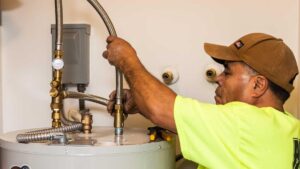
9. Monitor and Maintain Your Water Heater
Your water heater plays a vital role in keeping your plumbing system warm during winter.
- What to do:
- Ensure your water heater is functioning properly and set to at least 120°F (49°C).
- Insulate the water heater and nearby hot water pipes to retain heat.
- Why it works: Warm water flowing through your system helps prevent pipes from freezing.
10. Locate Your Main Water Shut-Off Valve
In case a pipe does freeze and burst, knowing how to quickly shut off your water supply can minimize damage.
- How to prepare:
- Find your home’s main shut-off valve, typically located near the water meter or where the main line enters your house.
- Ensure the valve is easily accessible and functional.
- Why it works: Quick access to the shut-off valve lets you stop water flow and prevent extensive water damage.
11. Keep Garage Doors Closed
If your home has plumbing running through the garage, keeping the garage doors closed can help protect the pipes.
- What to do:
- Close garage doors, especially on cold nights, to trap heat and block out freezing air.
- Consider adding insulation to garage walls or doors if they’re not already insulated.
- Why it works: Trapping warmth in the garage keeps pipes in that area from freezing.
12. Be Prepared for an Emergency
Even with precautions, freezing pipes can still occur. Being prepared can help you act quickly and minimize damage.
- What to have on hand:
- A space heater or hairdryer for thawing frozen pipes.
- Towels and buckets to manage leaks.
- Contact information for a trusted plumber in case of severe issues.
- Why it works: A well-prepared plan ensures you can respond quickly and effectively to frozen pipes.
Final Thoughts: Protecting Pipes for a Stress-Free Holiday
With these simple steps, you can protect your pipes from freezing and ensure your plumbing system stays functional throughout the holidays. Taking the time to insulate, seal drafts, and monitor vulnerable areas will give you peace of mind—and allow you to focus on enjoying the season with family and friends. Stay warm and stress-free this holiday season!