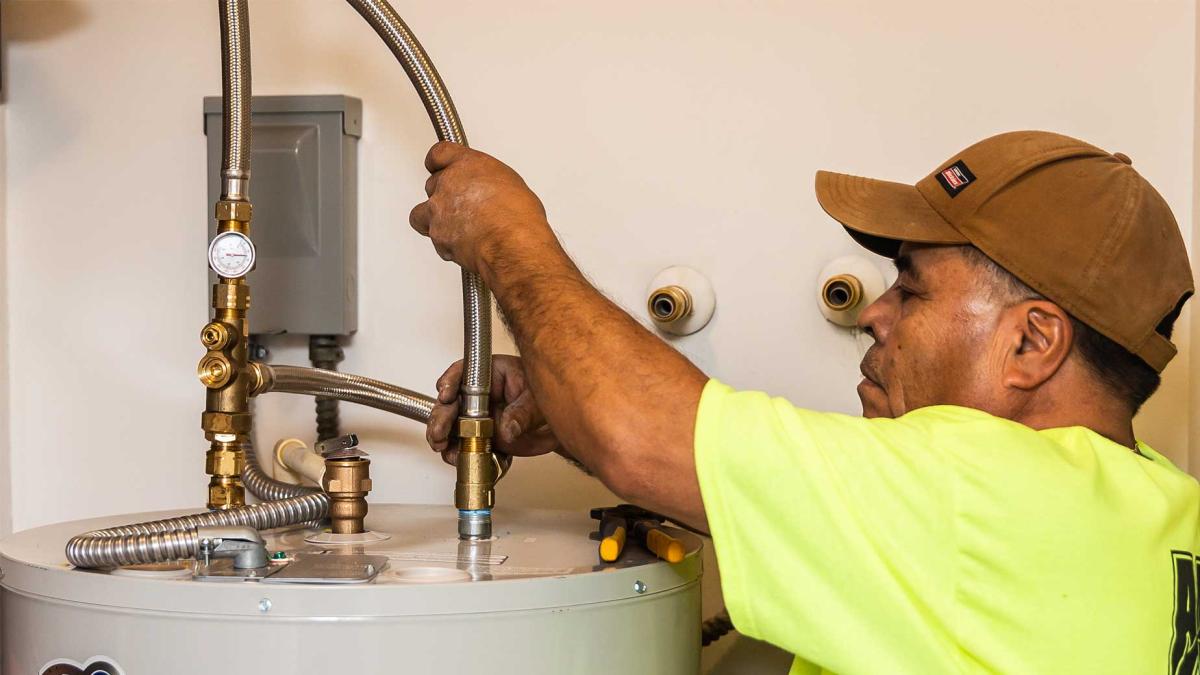
The holiday season often means more guests, more cooking, and more water usage. With the added demand on your water heater, it’s important to ensure it’s ready to handle the load. Proper preparation can help you avoid cold showers, slow heating times, or even a breakdown. Here’s how to get your water heater holiday-ready.
1. Flush Your Water Heater
Over time, sediment builds up in the tank, reducing your water heater’s efficiency and heating capacity. Flushing it out improves performance.
- How to flush your water heater:
- Turn off the power supply (electricity or gas) to the water heater.
- Attach a garden hose to the drain valve at the bottom of the tank.
- Run the other end of the hose to a safe drainage area.
- Open the drain valve and let the water flow out until it runs clear.
- Close the valve, refill the tank, and turn the power back on.
- Why it works: Removing sediment allows the water heater to heat water more quickly and efficiently, ensuring it meets increased demand.
2. Check the Temperature Settings
Setting your water heater to the right temperature ensures enough hot water for everyone while preventing scalding.
- How to adjust the temperature:
- Locate the thermostat on the side of the water heater.
- Adjust it to 120°F (49°C), which is hot enough for daily use but not so high that it wastes energy or risks burns.
- Why it works: Proper temperature settings maximize hot water availability while saving energy and keeping guests safe.
3. Inspect the Anode Rod
The anode rod helps prevent corrosion inside your water heater tank. If it’s worn out, your water heater may not last as long.
- How to check the anode rod:
- Turn off the water heater and relieve pressure by opening a hot water tap.
- Unscrew the anode rod from the top of the tank using a wrench.
- Replace the rod if it’s heavily corroded or worn down to less than half an inch.
- Why it works: A functional anode rod protects the tank, ensuring your water heater operates efficiently during high demand.
4. Insulate the Tank and Pipes
Insulating your water heater and pipes can help retain heat, reducing energy consumption and ensuring hot water is delivered more quickly.
- How to insulate:
- Wrap your water heater in a fiberglass insulation blanket, leaving the thermostat and burner areas uncovered.
- Cover exposed hot water pipes with foam pipe insulation to prevent heat loss.
- Why it works: Insulation helps the water heater maintain its temperature, reducing wait times for hot water and saving energy.
5. Test the Pressure Relief Valve
The temperature and pressure relief (TPR) valve prevents excessive pressure buildup in the tank. Ensuring it works properly is essential for safety.
- How to test it:
- Place a bucket under the TPR valve.
- Lift the valve lever and let it snap back into place. Water should flow out momentarily and then stop.
- Replace the valve if water continues to drip or if nothing happens when you lift the lever.
- Why it works: A functioning TPR valve prevents dangerous pressure buildup, keeping your water heater safe during heavy use.
6. Switch to “High Demand” Mode
If your water heater has a high-demand or vacation setting, use it to prepare for extra usage.
- What to do:
- Consult your water heater’s manual to locate and enable the high-demand setting.
- Switch back to regular settings after the holidays to save energy.
- Why it works: High-demand mode temporarily increases your water heater’s output to meet the needs of a full household.
7. Upgrade the Showerheads
Installing low-flow showerheads can help stretch your hot water supply during busy holiday mornings.
- How to upgrade:
- Replace old showerheads with low-flow models that use 1.5 to 2 gallons of water per minute (GPM).
- Look for WaterSense-labeled options for maximum efficiency.
- Why it works: Low-flow showerheads reduce water consumption without compromising pressure, ensuring more hot water for everyone.
8. Plan Hot Water Usage
Managing when and how hot water is used can help prevent shortages during peak times.
- Tips for managing demand:
- Stagger showers, dishwashing, and laundry loads to avoid overwhelming the water heater.
- Encourage guests to take shorter showers.
- Use the dishwasher’s energy-efficient or quick cycle to conserve hot water.
- Why it works: Spreading out water usage gives the heater time to recover, ensuring hot water is always available.
9. Consider a Point-of-Use Water Heater
If you frequently run out of hot water, adding a point-of-use water heater to areas with high demand, like bathrooms or kitchens, can help.
- How it works:
- These small, tankless units provide hot water instantly at specific fixtures, reducing strain on your main water heater.
- Install them under sinks or near shower areas for maximum convenience.
- Why it works: Point-of-use water heaters handle localized demand, ensuring a steady supply of hot water for other areas.
10. Have a Backup Plan
If your water heater is aging or you anticipate a lot of guests, having a backup plan can save you from holiday headaches.
- What to prepare:
- Keep a list of local plumbers in case of emergencies.
- Have a portable water heater or tankless unit available for temporary use.
- Consider upgrading to a larger water heater or a tankless system if your current unit struggles to keep up.
- Why it works: Being prepared ensures you can address water heater issues quickly and keep holiday celebrations running smoothly.
Final Thoughts: A Warm Holiday for All
With these simple steps, your water heater will be ready to handle the extra demands of the holiday season. By flushing the tank, insulating pipes, and planning water usage, you can ensure every guest has a warm shower and that your holiday festivities go off without a hitch. Stay prepared, and enjoy a stress-free, cozy holiday season!