As temperatures drop, keeping your home warm and cozy becomes a top priority. However, heating your home can lead to higher energy bills, especially if your home isn’t properly insulated. The good news is that you can take simple, cost-effective insulation steps to reduce heat loss, improve energy efficiency, and lower your heating bills. Here’s how to save on heating costs with a few easy insulation fixes.
1. Seal Gaps and Cracks Around Windows and Doors
One of the most common areas where heat escapes is around windows and doors. Even small gaps or cracks can let cold air in and warm air out, making your heating system work harder to maintain a comfortable temperature.
- How to fix it:
- Use caulk: Inspect the areas around your window and door frames for cracks or gaps. Apply exterior-grade caulk to seal any visible gaps, especially where the frame meets the siding.
- Apply weatherstripping: For larger gaps around doors, apply adhesive-backed weatherstripping along the door jambs to create a tight seal when the door is closed. Weatherstripping is inexpensive and easy to install, making it a great DIY fix.
- Why it works: Sealing gaps around windows and doors prevents cold drafts from entering your home, reducing the amount of work your heating system has to do. This simple step can lead to noticeable savings on your heating bills and improve your home’s comfort.
2. Add Door Sweeps to Exterior Doors
Cold air often seeps in through the gap at the bottom of exterior doors, especially in older homes. Installing a door sweep is an easy way to block drafts and improve insulation.
- How to fix it:
- Install door sweeps: Door sweeps are strips of rubber, vinyl, or metal that attach to the bottom of your door, creating a barrier against drafts. Simply screw or stick the door sweep to the bottom of the door for an effective seal.
- Check existing door sweeps: If your doors already have sweeps but they’re worn or damaged, replace them to ensure they provide a proper seal.
- Why it works: Door sweeps prevent cold air from entering through gaps at the bottom of exterior doors, keeping your home warmer and reducing heat loss. This small investment can make a big difference in your heating efficiency.
3. Insulate Electrical Outlets and Light Switches
Believe it or not, electrical outlets and light switches on exterior walls can be a significant source of heat loss. The small gaps around these fixtures allow cold air to enter your home, making it harder to maintain a comfortable temperature.
- How to fix it:
- Use foam outlet gaskets: Foam outlet gaskets are thin, pre-cut pieces of foam that fit behind your outlet or switch cover plates. Simply remove the cover plate, place the gasket over the outlet or switch, and replace the cover. The gasket seals the gap around the fixture, reducing drafts.
- Install child safety plugs: For extra insulation, insert child safety plugs into any unused outlets. These inexpensive plastic plugs help block drafts and improve energy efficiency.
- Why it works: Insulating your outlets and switches may seem like a small fix, but it can significantly reduce drafts and improve your home’s overall insulation. This quick and easy step can help lower your heating bills without much effort or cost.
4. Use Heavy Curtains or Thermal Drapes
Windows are a major source of heat loss, especially if they are older or single-pane. While upgrading to energy-efficient windows is a great long-term investment, you can improve your current windows’ insulation with heavy curtains or thermal drapes.
- How to fix it:
- Install thermal curtains: Thermal curtains are designed to provide extra insulation by trapping cold air between the window and the curtain. Hang these curtains over your windows to create a barrier that prevents heat from escaping and cold air from entering.
- Close curtains at night: Even if you don’t have thermal curtains, closing any curtains or blinds at night helps retain heat and reduce drafts. During the day, open them to allow natural sunlight to warm your home.
- Why it works: Heavy curtains or thermal drapes act as an additional layer of insulation, reducing heat loss through windows and helping you maintain a warmer home without overworking your heating system. This is an easy and affordable way to improve energy efficiency and lower your heating costs.
5. Insulate Your Attic Hatch
The attic hatch or door is often overlooked when it comes to insulation, but it can be a significant source of heat loss if not properly insulated. Warm air rises, and if your attic hatch isn’t sealed, heat can easily escape into the attic, leading to higher heating bills.
- How to fix it:
- Apply weatherstripping: Install adhesive weatherstripping around the edges of the attic hatch to create a tight seal when the door is closed. This prevents warm air from escaping into the attic.
- Add insulation: If your attic hatch isn’t insulated, attach a piece of rigid foam insulation or fiberglass batt insulation to the back of the door. This adds an extra layer of protection and prevents heat from escaping through the hatch.
- Why it works: Insulating and sealing your attic hatch ensures that warm air stays inside your living spaces, reducing heat loss and improving energy efficiency. This simple fix can make a noticeable difference in your heating bills, especially in colder climates.
6. Use Rugs and Floor Insulation
If your home has hardwood or tile floors, they can feel cold in the winter and contribute to heat loss. Adding rugs or insulating under the floors can help trap heat and make your home feel warmer.
- How to fix it:
- Use area rugs: Place area rugs or carpets in rooms with cold floors to add warmth and insulation. Rugs help prevent heat from escaping through the floor and make your living spaces more comfortable.
- Insulate under floors: If you have access to the space beneath your floors (such as a basement or crawl space), consider adding insulation to the underside of the floor. This helps trap heat and prevents cold air from seeping up through the floorboards.
- Why it works: Rugs and floor insulation help reduce heat loss through the floors, improving your home’s overall energy efficiency. This is a simple way to create a warmer, cozier living environment while keeping heating costs in check.
7. Install or Upgrade Attic Insulation
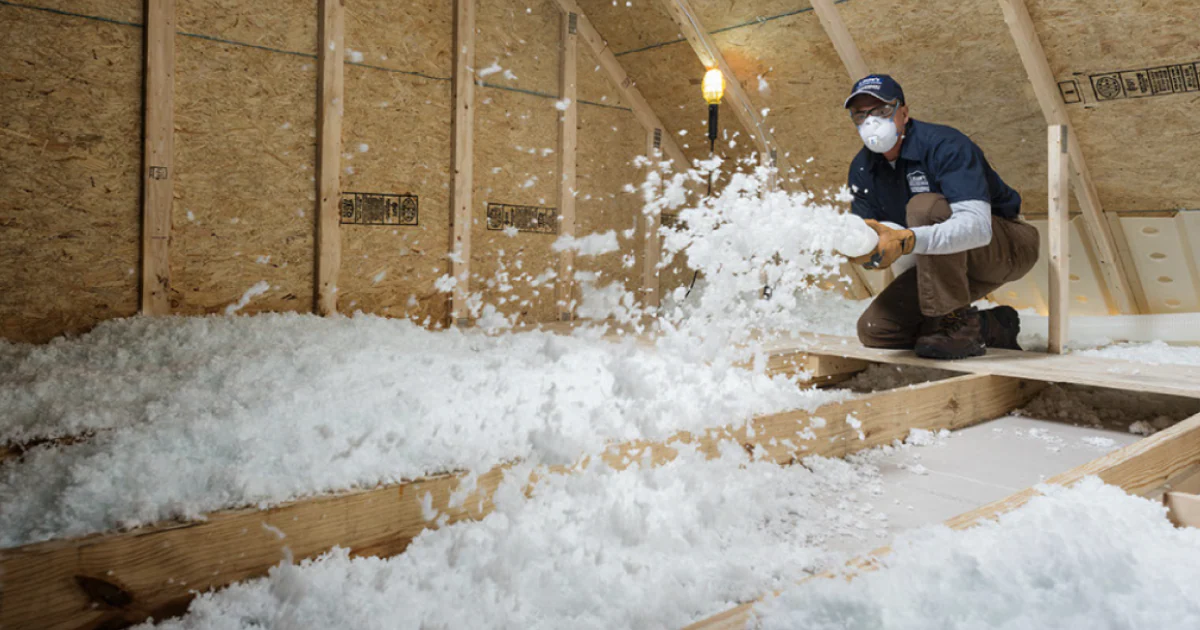
Your attic is one of the most important areas to insulate because heat naturally rises, and without proper insulation, it can easily escape through the roof. Adding or upgrading your attic insulation can significantly reduce heat loss and lower your heating bills.
- How to fix it:
- Check current insulation levels: Inspect your attic’s current insulation to see if it meets recommended levels for your region. If the insulation looks thin or uneven, it may be time to add more.
- Add insulation: Use fiberglass batts, blown-in insulation, or spray foam insulation to increase the R-value (a measure of insulation effectiveness) of your attic. Be sure to cover any gaps and avoid blocking vents to maintain proper airflow.
- Why it works: Insulating your attic helps prevent heat from escaping through the roof, keeping your home warmer and reducing the strain on your heating system. While adding attic insulation requires a bit more effort and investment, it’s one of the most effective ways to save on heating costs in the long run.
8. Wrap Your Water Heater and Pipes
Heat loss from your water heater and pipes can increase your energy costs, especially during the winter months. Insulating them can help retain heat, reduce energy consumption, and lower your utility bills.
- How to fix it:
- Use a water heater blanket: Insulate your water heater with a specially designed water heater blanket, which helps trap heat and reduce energy consumption. This is especially beneficial if your water heater is in an unheated area like a basement or garage.
- Wrap exposed pipes: Use foam pipe insulation to wrap any exposed hot water pipes in unheated areas like crawl spaces or basements. This prevents heat loss and helps your water heater operate more efficiently.
- Why it works: Insulating your water heater and pipes reduces heat loss, allowing your water heater to work more efficiently. This can lead to lower heating costs and a quicker supply of hot water during the colder months.
Final Thoughts: Small Insulation Fixes, Big Savings
You don’t need to undertake a major renovation to make your home more energy-efficient during the winter. With a few simple insulation fixes—like sealing gaps, adding weatherstripping, and insulating your attic—you can prevent heat loss, keep your home warmer, and significantly reduce your heating bills. These easy DIY projects not only improve your home’s comfort but also save you money throughout the winter season.