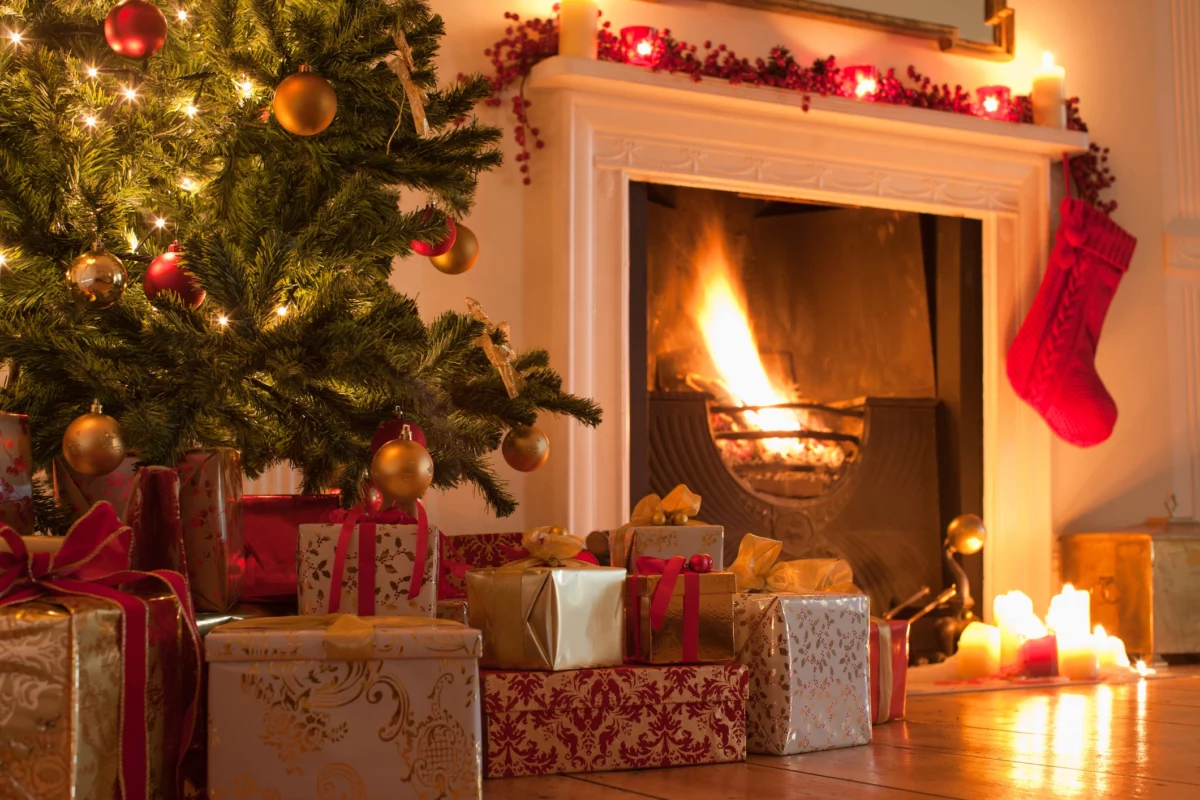
A crackling fireplace adds warmth and charm to holiday gatherings, but it’s essential to prioritize safety to avoid accidents or fire hazards. With some simple precautions and mindful practices, you can enjoy your fireplace safely while keeping your home cozy and festive. Here are practical fireplace safety tips for the holidays.
1. Schedule a Chimney Inspection and Cleaning
Before lighting your first fire of the season, ensure your fireplace and chimney are clean and in good condition. A professional chimney sweep can help prevent creosote buildup, which is a leading cause of chimney fires.
- What to check for:
- Creosote deposits, soot, or debris in the chimney.
- Cracks, loose bricks, or damaged flue liners.
- Animal nests or blockages that could restrict airflow.
- Why it works: Regular inspections and cleaning remove fire hazards and ensure your fireplace vents properly.
2. Use the Right Fuel
Not all wood burns the same. Using the correct type of fuel helps maintain a clean, efficient fire and reduces the risk of dangerous buildup.
- Best practices for firewood:
- Burn only dry, seasoned hardwoods like oak, maple, or birch for less smoke and better heat.
- Avoid burning green or wet wood, as it produces more creosote and smoke.
- Never burn treated wood, painted wood, or holiday decorations, as they can release toxic fumes or sparks.
- Why it works: Proper fuel ensures a cleaner burn, reducing smoke and the risk of dangerous chimney deposits.
3. Keep the Area Around the Fireplace Clear
Holiday decorations like stockings, garlands, and wreaths can catch fire if they’re too close to the flames. Keep the area around your fireplace clear of flammable materials.
- What to avoid near the fireplace:
- Stockings, garlands, or other decorations hanging from the mantel.
- Wrapping paper, cardboard, or other holiday trash.
- Furniture, blankets, or rugs placed too close to the hearth.
- Why it works: Keeping a safe distance minimizes the risk of accidental fires from stray sparks or heat.
4. Always Use a Fireplace Screen
A sturdy fireplace screen prevents sparks, embers, and logs from escaping the firebox and keeps pets or children from getting too close.
- How to choose a screen:
- Use a metal mesh screen or tempered glass doors designed for fireplaces.
- Ensure the screen fits snugly over the fireplace opening to block flying embers.
- Why it works: A screen acts as a barrier, protecting your home and loved ones from accidental burns or fire hazards.
5. Practice Safe Fire Starting
Starting a fire safely ensures it burns efficiently and minimizes the risk of smoke or flare-ups.
- How to start a fire:
- Use fire starters, dry kindling, or crumpled newspaper to ignite your fire.
- Avoid using accelerants like lighter fluid or gasoline, as they can create dangerous flare-ups.
- Build a fire that’s appropriately sized for your fireplace—don’t overload it with wood.
- Why it works: Proper fire-starting techniques reduce the risk of uncontrolled flames or excessive smoke.
6. Monitor the Fire at All Times
Never leave a fire unattended. Even a well-contained fire can produce sparks or shift unexpectedly, posing a safety risk.
- What to do:
- Assign someone to monitor the fire during gatherings.
- Extinguish the fire completely before leaving the house or going to bed.
- Why it works: Keeping an eye on the fire ensures you can act quickly in case of an issue.
7. Check Carbon Monoxide and Smoke Detectors
A fireplace can produce carbon monoxide, an odorless and deadly gas, as well as smoke. Ensuring your detectors are functional adds an extra layer of safety.
- How to check detectors:
- Test all carbon monoxide and smoke detectors monthly to ensure they’re working.
- Replace batteries regularly, ideally at the start of the holiday season.
- Install detectors on every level of your home, especially near bedrooms.
- Why it works: Functional detectors provide early warning of smoke or gas issues, giving you time to react.
8. Don’t Overload the Fire
Adding too much wood or creating a fire that’s too large can overheat your chimney or lead to uncontrolled flames.
- How to manage the fire size:
- Add one log at a time to maintain a steady, manageable fire.
- Avoid stacking logs too high or placing them near the edges of the firebox.
- Why it works: A smaller, controlled fire reduces the risk of sparks or chimney overheating.
9. Dispose of Ashes Safely
Hot ashes can remain a fire hazard for hours, even after the fire seems to be out. Proper disposal is critical to fireplace safety.
- How to dispose of ashes:
- Wait at least 24 hours after a fire before removing ashes.
- Use a metal bucket with a lid to store ashes, and place the bucket on a non-flammable surface, like concrete.
- Never dispose of ashes in trash bags, cardboard boxes, or near flammable materials.
- Why it works: Proper ash disposal prevents accidental fires caused by residual heat.
10. Ventilate Your Fireplace
Proper ventilation ensures smoke and gases, like carbon monoxide, are safely expelled from your home.
- What to do:
- Keep the damper open while the fire is burning and until the ashes are cool.
- Check that your chimney cap is clear of debris or snow.
- Ensure nearby windows or vents are closed to prevent drafts that can blow smoke back into your home.
- Why it works: Ventilation ensures your fireplace operates safely and efficiently, keeping harmful gases out of your living space.
11. Educate Your Family on Fireplace Safety
If you have children or guests unfamiliar with fireplace safety, take a moment to share the basics.
- What to teach:
- Explain the importance of keeping a safe distance from the fire.
- Show them how to properly open and close the screen or glass doors.
- Emphasize that only adults should tend to the fire.
- Why it works: Educating everyone in your home reduces the likelihood of accidents.
Final Thoughts: Warmth Without Worry
A fireplace is a holiday centerpiece that brings warmth and ambiance, but safety should always come first. With regular maintenance, mindful fire management, and proper precautions, you can enjoy a cozy and safe holiday season by the fire. Stay warm, stay safe, and happy holidays!