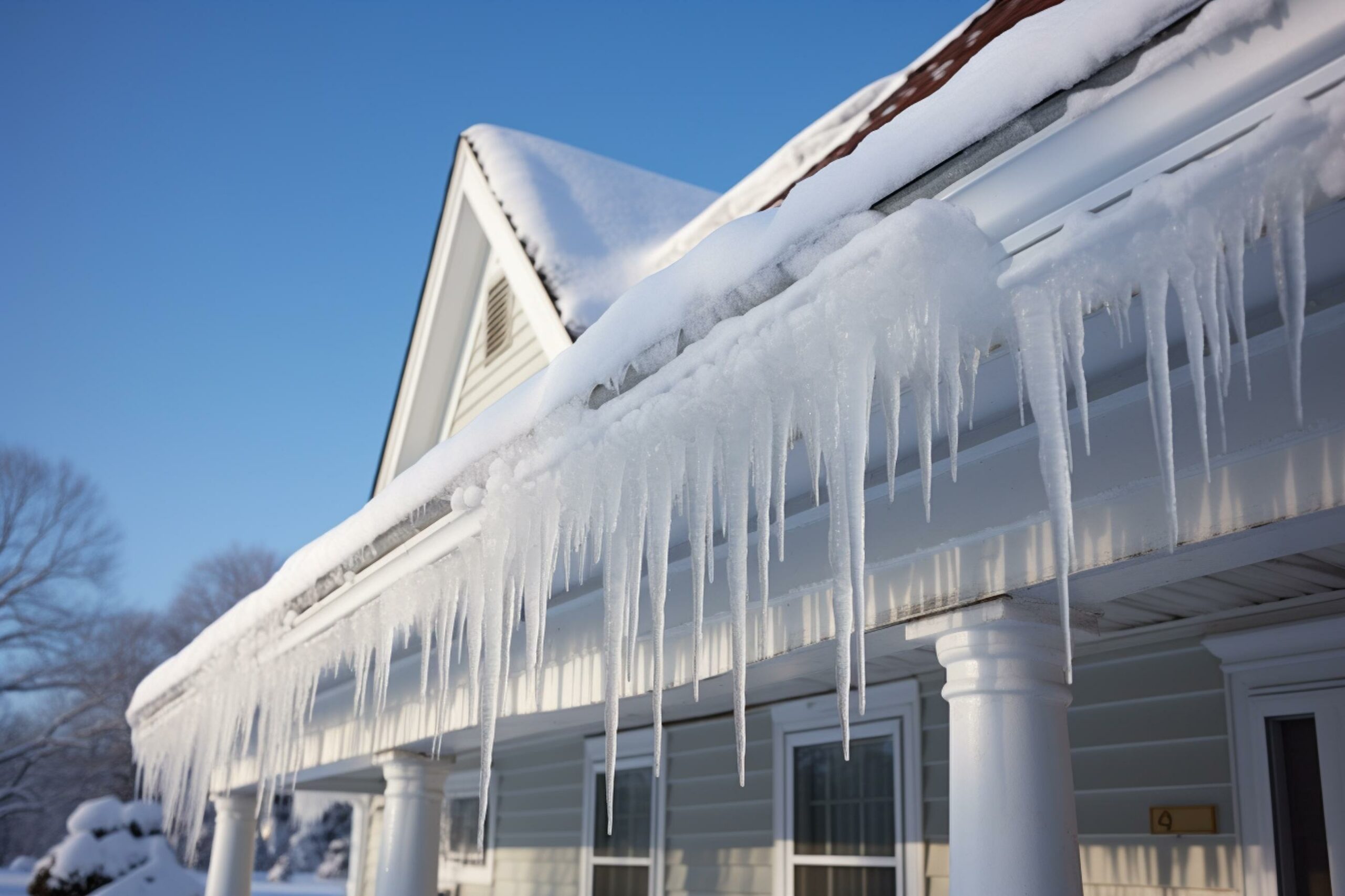
Ice dams are a common winter problem that can cause serious damage to your roof, gutters, and home interior. These icy ridges form at the edge of your roof when warm attic air melts snow on the roof, only for the water to refreeze at the colder eaves. Preventing ice dams involves addressing the root causes, like uneven roof temperatures, and taking proactive steps to protect your home. Here’s how to prevent ice dams and keep your roof safe all winter.
1. Ensure Proper Attic Insulation
Insufficient attic insulation is one of the leading causes of ice dams. Heat escaping through the attic warms the roof, melting snow and creating the conditions for ice dams to form.
- How to insulate effectively:
- Add or replace insulation in your attic to achieve the recommended R-value for your climate zone (typically R-38 to R-60 in colder regions).
- Inspect for gaps or compressed insulation and replace any damaged sections.
- Focus on insulating areas around recessed lighting, vents, and chimneys to prevent heat leakage.
- Why it works: Proper insulation keeps warm air inside your living space, reducing roof warming and preventing uneven snow melting.
2. Improve Attic Ventilation
Good attic ventilation works hand-in-hand with insulation to keep your roof cool and prevent ice dams. It allows cold air to flow through the attic, maintaining a consistent temperature across the roof.
- How to ventilate your attic:
- Install soffit vents at the eaves and ridge vents at the peak of the roof for natural airflow.
- Ensure existing vents are free of obstructions like insulation or debris.
- Consider adding attic fans for better air circulation in larger or poorly ventilated spaces.
- Why it works: Ventilation prevents warm air from building up in the attic, keeping the roof temperature closer to the outdoor air temperature and reducing snowmelt.
3. Seal Air Leaks
Air leaks from your living space into the attic are another major contributor to ice dams. Sealing these leaks keeps warm air where it belongs and helps maintain consistent roof temperatures.
- How to seal leaks:
- Use caulk or spray foam to seal gaps around chimneys, plumbing vents, and electrical wiring.
- Add weatherstripping to attic hatch doors to prevent warm air from escaping.
- Insulate and seal recessed lighting fixtures with airtight boxes or covers.
- Why it works: By preventing warm air from leaking into the attic, you reduce the chance of uneven snow melting on the roof.
4. Clear Gutters and Downspouts
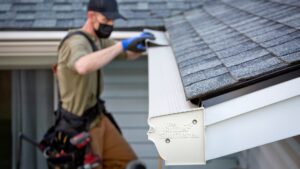
Clogged gutters and downspouts can worsen ice dams by trapping water and allowing it to refreeze along the roofline. Keeping them clear ensures that melted snow can flow freely away from your home.
- How to clean gutters:
- Remove leaves, twigs, and debris with a gutter scoop or gloved hands.
- Rinse gutters with a garden hose to ensure proper drainage.
- Install gutter guards to reduce debris buildup and simplify maintenance.
- Why it works: Clear gutters and downspouts prevent water from pooling and freezing at the roof’s edge, reducing the risk of ice dams.
5. Add Roof Heat Cables
Heat cables are an effective tool for preventing ice dams, especially in areas prone to heavy snowfall. These cables heat critical areas of your roof and gutters, melting snow and ice before they can accumulate.
- How to install heat cables:
- Attach heat cables in a zigzag pattern along the roof eaves or valleys, following the manufacturer’s instructions.
- Install them inside gutters and downspouts to keep water flowing freely.
- Plug cables into a GFCI outlet for safe operation.
- Why it works: Heat cables provide targeted warmth, preventing snow and ice from building up in problem areas.
6. Keep Snow Off Your Roof
Removing snow from your roof is a simple but effective way to prevent ice dams. Less snow means less potential for melting and refreezing.
- How to remove snow safely:
- Use a roof rake with a long handle to pull snow off the roof while standing on the ground. Avoid climbing onto the roof for safety.
- Clear snow evenly from the roof to prevent uneven stress on its structure.
- Focus on removing snow from the lower sections of the roof to prevent buildup near the eaves.
- Why it works: Regular snow removal reduces the volume of melting snow, minimizing the conditions that lead to ice dams.
7. Install a Drip Edge
A drip edge is a metal flashing installed along the edges of your roof to direct water into the gutters and prevent it from seeping under the shingles.
- How to install a drip edge:
- Have a professional install drip edges under the first row of shingles and over the gutter.
- Ensure the flashing extends slightly beyond the roofline to guide water into the gutters.
- Why it works: A drip edge protects your roof from water infiltration and helps guide melting snow away from the structure.
8. Inspect and Repair Flashing
Damaged or poorly installed flashing can allow water to seep under your shingles, exacerbating ice dam problems. Checking and repairing flashing is a critical step in winterizing your roof.
- How to inspect flashing:
- Look for gaps, rust, or missing sections around chimneys, vents, and skylights.
- Replace or repair damaged flashing using roofing cement or by hiring a professional.
- Why it works: Proper flashing keeps water out of vulnerable roof areas, reducing the risk of leaks caused by ice dams.
9. Monitor Indoor Humidity
High indoor humidity levels can contribute to attic condensation, which warms the roof and creates ideal conditions for ice dams.
- How to control humidity:
- Use a dehumidifier in areas prone to moisture, like basements or bathrooms.
- Install exhaust fans in kitchens and bathrooms to vent humidity outside.
- Keep your attic dry by sealing leaks and improving ventilation.
- Why it works: Lower indoor humidity reduces the risk of warm air condensing in the attic and melting roof snow.
10. Schedule a Roof Inspection
If you’re unsure about your roof’s condition or have experienced ice dam problems in the past, a professional roof inspection can identify potential issues and provide solutions.
- What professionals check for:
- The overall health of shingles, flashing, and gutters.
- Adequate insulation and ventilation in the attic.
- Specific areas prone to ice dam formation.
- Why it works: A roof inspection ensures your home is prepared for winter and addresses any vulnerabilities before snow and ice arrive.
Final Thoughts: Prevention is Key
Ice dams can cause significant damage if left unchecked, but with the right preparation, they’re entirely preventable. By insulating your attic, improving ventilation, and taking proactive steps like clearing snow and using heat cables, you can protect your roof and home from winter’s icy grip. Start these measures before the snow falls, and you’ll enjoy a safe and worry-free winter season.