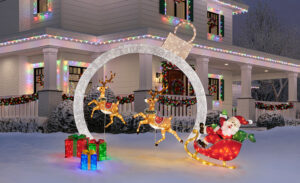

Decorating your home with twinkling holiday lights is a festive way to spread cheer during the holiday season. However, while dazzling displays look beautiful, they can pose safety hazards if not installed and maintained properly. Here’s your guide to safely decorating your home’s exterior with holiday lights, ensuring a magical display without unnecessary risks.
1. Choose the Right Lights for Outdoor Use
Not all holiday lights are created equal. Ensuring you use the correct type of lights for exterior decorating is essential for safety and durability.
- How to choose the right lights:
- Look for “outdoor-rated” lights: Only use lights labeled for outdoor use, as they are designed to withstand weather conditions like rain, snow, and extreme temperatures.
- Check for UL certification: Lights with a UL (Underwriters Laboratories) label have been tested for safety. A green label is for indoor use only, while a red label indicates indoor/outdoor safety.
- Opt for LED lights: LED lights are energy-efficient, emit less heat, and are safer than traditional incandescent bulbs.
- Why it works: Outdoor-rated lights are built to handle the elements, reducing the risk of short circuits, fires, or damage.
2. Inspect Lights Before Installation
Before hanging your lights, inspect them for wear and tear, especially if you’re reusing older decorations.
- What to check:
- Look for frayed wires, exposed strands, or broken bulbs.
- Test each strand to ensure all lights work before hanging them.
- Replace any damaged or faulty strands to prevent electrical hazards.
- Why it works: A thorough inspection ensures you’re not installing faulty equipment that could lead to sparks, malfunctions, or injuries.
3. Use the Right Tools for Installation
Using the appropriate tools and equipment helps you install lights safely and effectively, especially at heights.
- How to install safely:
- Use insulated hooks or clips: Avoid nails, staples, or anything that can puncture the wires. Instead, use plastic light clips or hooks designed for holiday lights.
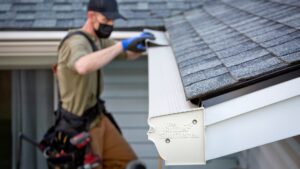
- Choose a sturdy ladder: Use a ladder rated for your weight and place it on stable, level ground. Have someone hold the base for added safety.
- Use extension poles: For higher areas, consider using an extension pole with hooks to hang lights without overreaching.
- Why it works: Proper tools prevent damage to your lights and reduce the risk of accidents during installation.
4. Plan Your Power Supply
Before plugging in your lights, plan your power usage to avoid overloading circuits or creating tripping hazards with tangled cords.
- How to manage power safely:
- Use outdoor-rated extension cords: Ensure all cords are designed for outdoor use and are weather-resistant.
- Check wattage limits: Avoid overloading a single circuit by plugging in too many light strands. Follow the manufacturer’s guidelines for connecting multiple strands.
- Use GFCI outlets: Ground Fault Circuit Interrupter (GFCI) outlets are designed to cut power in case of electrical faults, protecting you from shocks or fire hazards.
- Why it works: Managing power supply prevents blown fuses, overheating, and electrical accidents.
5. Secure Lights Properly
Loose or improperly secured lights can fall or become damaged, posing a safety risk to people and property.
- How to secure lights:
- Attach lights firmly using light clips on gutters, shingles, or window frames.
- Avoid over-tightening clips or wrapping wires around sharp edges, as this can damage the insulation.
- Check connections periodically to ensure they remain secure throughout the season.
- Why it works: Properly secured lights reduce the risk of accidents caused by falling decorations or exposed wires.
6. Be Mindful of Weather Conditions
Weather can impact both the safety and longevity of your holiday lights. Taking precautions can help your display withstand the elements.
- How to weatherproof:
- Protect connections: Use waterproof electrical tape or plastic covers to seal connections and plugs from rain or snow.
- Avoid installing lights in extreme weather: Wait for dry, calm conditions to install or adjust your lights.
- Secure cords off the ground: Use stakes to elevate extension cords, preventing them from sitting in puddles or snow.
- Why it works: Protecting lights and connections from moisture prevents short circuits, reducing the risk of electrical hazards.
7. Set Up a Timer
Leaving your lights on overnight or forgetting to turn them off can waste energy and create potential hazards. Using a timer ensures your lights operate safely and efficiently.
- How to use a timer:
- Choose a timer designed for outdoor use with weatherproof casings.
- Set lights to turn on at dusk and off before bedtime, or use smart plugs for remote control via an app.
- Why it works: Timers save energy, reduce the risk of overheating, and eliminate the need to manually turn lights on and off.
8. Avoid Overloading Strands
Overloading light strands by connecting too many together can cause overheating and damage.
- How to prevent overloading:
- Follow the manufacturer’s guidelines for connecting multiple strands. Most allow for 3-5 strands per outlet.
- Use a power strip with a built-in circuit breaker for additional protection.
- Why it works: Avoiding overloading prevents overheating and electrical fires, ensuring your lights stay safe.
9. Test and Monitor Your Display
Even after setup, keep an eye on your display to ensure it’s functioning safely throughout the holiday season.
- What to monitor:
- Check for signs of damage, such as flickering lights, exposed wires, or loose connections.
- Turn lights off during severe weather conditions like heavy rain or snowstorms.
- Why it works: Regular monitoring helps you catch potential issues early and maintain a safe, beautiful display.
10. Take Lights Down Safely
When the holiday season ends, removing your lights with care is just as important as installing them.
- How to take them down:
- Avoid yanking or pulling on wires to prevent damage.
- Use the same tools and methods as installation, such as a ladder and light clips.
- Store lights in a dry, organized container to keep them safe for next year.
- Why it works: Proper removal and storage preserve your lights’ lifespan and reduce the risk of frayed wires or broken bulbs.
Final Thoughts: Safety First, Holiday Cheer Always
Decorating your home with holiday lights doesn’t have to be stressful or risky. By choosing the right lights, planning your setup carefully, and following safety precautions, you can create a festive and safe display that dazzles your neighborhood. Keep these tips in mind, and enjoy the holiday season with peace of mind and sparkling cheer!