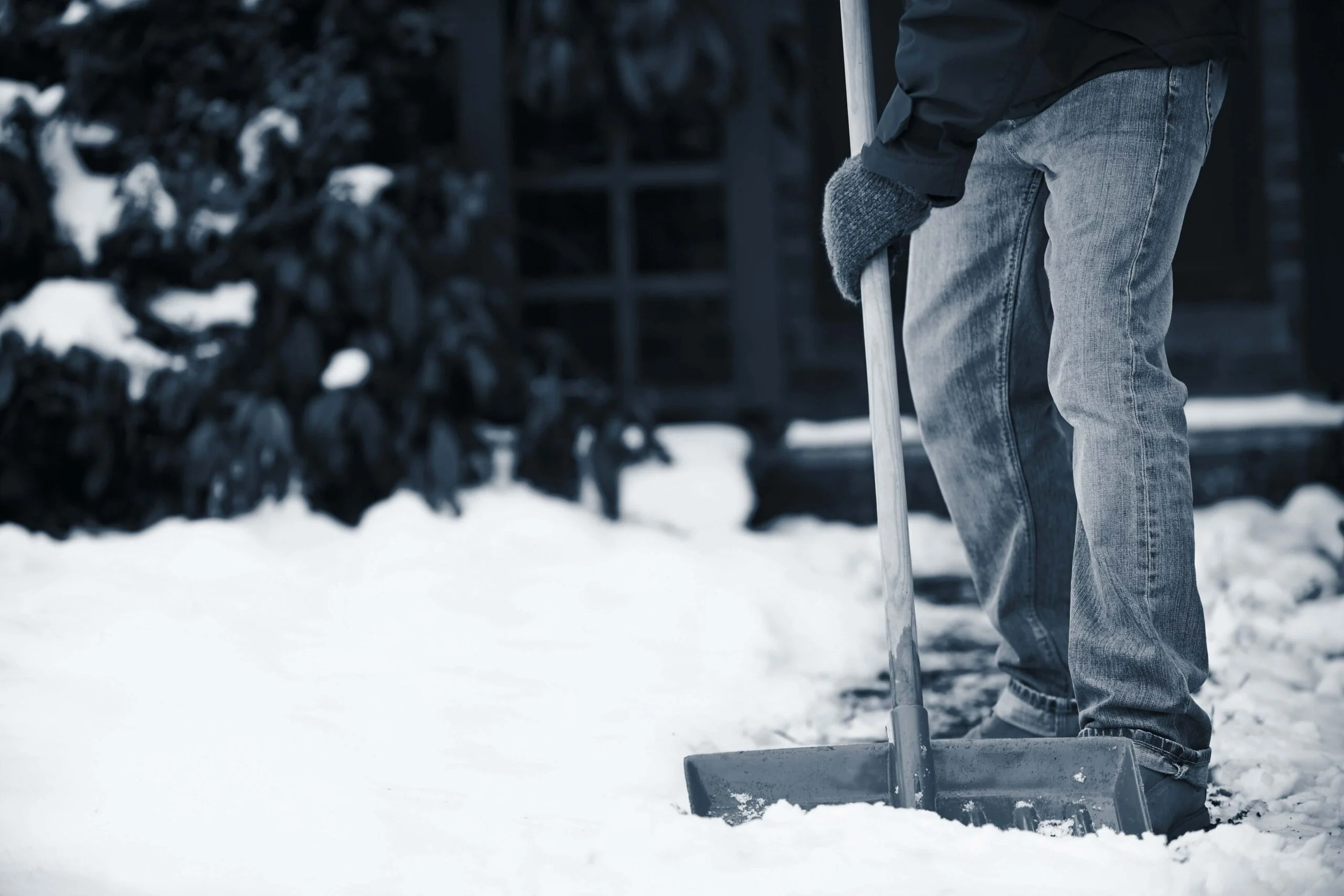
Winter snow can create a magical landscape, but it also poses safety risks for you and your guests. Slippery walkways and icy patches can lead to accidents, so keeping paths clear and safe is a must. Here are practical snow removal tips to ensure your walkways stay guest-friendly all winter.
1. Start Early and Stay Consistent
Removing snow as soon as possible after it falls makes the job easier and safer.
- What to do:
- Begin clearing snow while it’s still fresh and fluffy to prevent it from compacting or icing over.
- Shovel walkways regularly during heavy snowfalls to stay ahead of accumulation.
- Keep an eye on the weather to prepare for snowstorms in advance.
- Why it works: Early and frequent snow removal reduces the risk of ice formation and makes walkways safer for guests.
2. Use the Right Shovel
A good shovel can make snow removal more effective and less physically taxing.
- How to choose a shovel:
- Opt for a lightweight, ergonomic shovel to minimize strain on your back and shoulders.
- Use a curved, non-stick blade for scooping snow, and a flat-edged shovel for scraping ice.
- Consider a snow pusher for large, flat areas to quickly move snow aside.
- Why it works: The right tool makes snow removal more efficient and less likely to cause injury.
3. Apply Ice Melt Strategically
Ice melt prevents ice buildup and improves traction on slippery surfaces.
- How to use ice melt:
- Choose a product that’s effective at low temperatures, such as calcium chloride.
- Spread ice melt evenly on walkways before and after snow removal to keep surfaces clear.
- Avoid overuse to prevent environmental damage and residue buildup.
- Why it works: Ice melt keeps walkways safe by preventing slippery patches from forming.
4. Create Traction with Sand or Kitty Litter
If ice persists despite your efforts, adding traction can reduce the risk of slips.
- How to apply traction:
- Spread a thin layer of sand, kitty litter, or gravel over icy spots.
- Focus on high-traffic areas like steps, porches, and walkways.
- Why it works: Increased traction helps guests maintain footing on slippery surfaces.
5. Clear Walkways Thoroughly
Partially cleared paths can still be hazardous, so aim for complete snow removal.
- Best practices:
- Remove snow down to the bare surface to eliminate slippery layers.
- Widen walkways to allow comfortable passage for multiple guests.
- Pay special attention to stairs, ramps, and other areas where footing is critical.
- Why it works: Fully cleared walkways reduce tripping hazards and provide safer footing.
6. Use a Snowblower for Large Areas
For extensive walkways or heavy snowfalls, a snowblower can save time and effort.
- How to use a snowblower effectively:
- Choose a machine appropriate for your property size and typical snow conditions.
- Follow the manufacturer’s safety guidelines to avoid accidents.
- Adjust the chute to direct snow away from walkways and driveways.
- Why it works: A snowblower quickly clears large areas, ensuring walkways remain accessible.
7. Keep Steps and Ramps Safe
Stairs and ramps require extra care to prevent slips and falls.
- What to do:
- Clear snow and ice completely from steps and ramps using a shovel or broom.
- Apply ice melt or traction material to improve safety.
- Install non-slip treads or mats for additional grip.
- Why it works: Extra precautions on stairs and ramps minimize the risk of injuries for guests.
8. Protect Landscaping and Path Edges
Avoid damaging your lawn or walkway edges while removing snow.
- How to protect them:
- Use snow stakes or markers to define walkway boundaries.
- Avoid piling snow on flower beds or shrubs, which can cause damage.
- Use plastic-tipped shovels or snowblowers to prevent scratching pathways.
- Why it works: Preserving landscaping and pathways ensures your yard looks great after the snow melts.
9. Prevent Re-Freezing
Melted snow can refreeze overnight, creating dangerous black ice.
- How to prevent it:
- Sweep away slush and standing water after shoveling.
- Apply a final layer of ice melt to prevent refreezing.
- Check walkways regularly, especially after temperature drops.
- Why it works: Addressing meltwater immediately reduces the risk of icy patches.
10. Invest in Heated Walkway Mats
Heated mats are a hassle-free solution for keeping key areas clear of snow and ice.
- How they work:
- Place heated mats on walkways, porches, or stairs.
- Plug them in to melt snow and ice continuously during storms.
- Why it works: Heated mats provide consistent, low-maintenance snow removal.
11. Be Mindful of Accessibility
Make sure your walkway is accessible for everyone, including guests with mobility challenges.
- How to ensure accessibility:
- Widen paths for wheelchairs or walkers.
- Use extra traction materials on ramps.
- Clear snow around handrails and keep them dry.
- Why it works: Accessible walkways make your home welcoming and safe for all guests.
12. Have a Backup Plan
Sometimes, snow removal may require professional help or additional tools.
- What to prepare:
- Keep a snow shovel and ice melt near entry points for quick cleanups.
- Hire a snow removal service if you’re unable to manage heavy snowfall.
- Ensure you have extra supplies, such as sand or salt, for unexpected storms.
- Why it works: Being prepared ensures your walkways stay safe no matter the conditions.
Final Thoughts: Safe Walkways for a Stress-Free Winter
Keeping your walkways safe for guests during the winter doesn’t have to be daunting. By staying proactive, using the right tools, and applying strategic techniques, you can create a clear and welcoming path for all. With these tips, you’ll ensure your home remains both festive and hazard-free all season long. Stay safe and enjoy the winter wonderland!