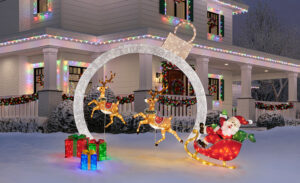

The holiday season is all about festive lights and decorations, but overloading your electrical system can lead to blown fuses, damaged appliances, or even electrical fires. Keeping safety in mind as you decorate can ensure a worry-free, sparkling holiday season. Here are essential tips to avoid electrical overloads with your holiday decorations.
1. Check Your Circuits’ Capacity
Understanding how much electricity your circuits can handle is the first step in preventing overloads.
- What to know:
- Most standard household circuits can handle 15-20 amps, which translates to about 1,800-2,400 watts.
- Add up the wattage of all the devices and lights plugged into each circuit.
- Why it works: Staying within your circuit’s capacity prevents overloads that could trip breakers or cause electrical hazards.
2. Use Energy-Efficient LED Lights
Traditional incandescent lights consume significantly more energy than LEDs, making them a common cause of overloaded circuits.
- Why choose LEDs:
- LED lights use up to 80% less energy than incandescent bulbs.
- They generate less heat, reducing the risk of overheating.
- What to look for: Choose Energy Star-certified LED lights for maximum efficiency and safety.
3. Inspect Decorations and Wires
Before you plug anything in, ensure all decorations and electrical components are in good condition.
- What to check:
- Look for frayed wires, cracked plugs, or exposed insulation.
- Replace lights with broken or damaged bulbs.
- Discard decorations that show signs of wear or malfunction.
- Why it works: Using damaged equipment increases the risk of electrical shorts or fires.
4. Avoid Daisy-Chaining Extension Cords
Plugging multiple extension cords into each other, known as daisy-chaining, is a major fire hazard.
- What to do instead:
- Use a single, appropriately rated extension cord for each outlet.
- Opt for longer extension cords if needed, rather than chaining shorter ones together.
- Why it works: Proper use of extension cords prevents overheating and reduces the risk of electrical fires.
5. Use Surge Protectors
Surge protectors can safeguard your decorations and appliances from power surges caused by overloaded circuits or storms.
- How to use surge protectors:
- Plug your lights and decorations into surge protectors instead of standard power strips.
- Ensure the surge protector is rated for outdoor use if used outside.
- Why it works: Surge protectors prevent sudden voltage spikes from damaging your electrical equipment.
6. Distribute the Load
Avoid plugging all your decorations into a single outlet or circuit by spreading them across multiple outlets.
- How to distribute:
- Map out which outlets connect to which circuit breakers to avoid overloading a single circuit.
- Use outlets in different rooms or areas for larger displays.
- Why it works: Distributing the electrical load reduces strain on individual circuits and prevents breaker trips.
7. Invest in Outdoor-Rated Equipment
If you’re decorating outdoors, ensure all equipment is rated for outdoor use to handle weather conditions and moisture.
- What to use:
- Choose outdoor-rated extension cords, lights, and plugs.
- Cover outdoor outlets with weatherproof covers to keep them dry.
- Why it works: Outdoor-rated equipment is designed to withstand the elements, reducing the risk of electrical hazards.
8. Limit the Use of Adapters
While outlet adapters can be convenient, overloading them with multiple plugs can quickly exceed safe limits.
- What to do instead:
- Use power strips with built-in circuit breakers instead of adapters.
- Avoid plugging high-wattage devices, like space heaters or kitchen appliances, into the same outlet as your decorations.
- Why it works: Limiting adapter use prevents outlets from overheating and reduces the risk of overloading.
9. Turn Off Decorations When Not in Use
Leaving lights and decorations on overnight or when no one is home increases the risk of electrical overloads and fire hazards.
- How to automate:
- Use smart plugs or timers to turn decorations off automatically at specific times.
- Set reminders to unplug decorations before going to bed or leaving the house.
- Why it works: Turning off decorations conserves energy and reduces wear on your electrical system.
10. Be Mindful of High-Wattage Decorations
Inflatable yard decorations, electric heaters, and large light displays can consume a lot of power.
- What to do:
- Check the wattage of high-energy decorations before plugging them in.
- Use them sparingly or on separate circuits from your indoor decorations.
- Why it works: Limiting the use of high-wattage items prevents circuits from becoming overloaded.
11. Follow Manufacturer Guidelines
Each set of lights or decorations comes with specific safety instructions and limitations.
- What to check:
- Follow the manufacturer’s recommendations for maximum wattage and string connections.
- Don’t exceed the suggested number of light strands connected together (usually 3-5 for traditional lights, more for LEDs).
- Why it works: Staying within the recommended limits ensures your decorations are used safely.
12. Monitor Your Breaker Panel
If your circuit breaker trips frequently, it’s a sign that your system is overloaded.
- What to do:
- Reduce the load on the affected circuit by unplugging some devices.
- If the breaker continues to trip, consult an electrician to assess your home’s electrical capacity.
- Why it works: Addressing breaker issues early prevents potential damage to your electrical system.
13. Have a Fire Extinguisher Handy
In the unlikely event of an electrical fire, it’s crucial to have the right tools to respond quickly.
- How to prepare:
- Keep a fire extinguisher rated for electrical fires (Class C) near your holiday decorations.
- Ensure everyone in the household knows how to use it.
- Why it works: Being prepared helps contain small fires and minimizes damage or injuries.
Final Thoughts: A Bright and Safe Holiday
Holiday lights and decorations bring joy and warmth to the season, but safety should always come first. By using energy-efficient equipment, distributing your electrical load, and following these safety tips, you can enjoy a festive display without worrying about overloads or hazards. Stay safe, and let your holiday lights shine brightly!