Holiday baking season often means your oven is working overtime, churning out cookies, roasts, and pies. While this can create warmth and joy in your home, it can also lead to higher energy bills. With a few smart strategies, you can maximize your oven’s efficiency, save energy, and still create all the holiday treats your heart desires. Here are some energy-saving tips for using your oven during holiday baking.
1. Cook Multiple Dishes at Once
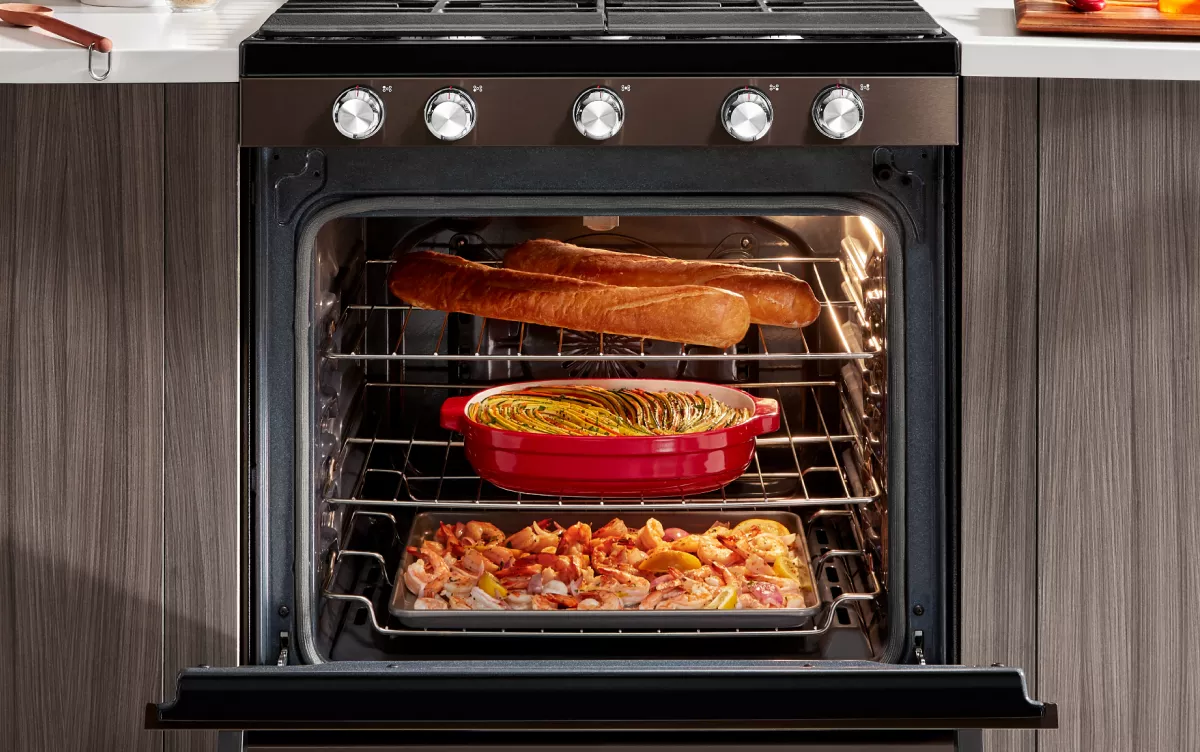
Baking multiple dishes in one oven session is one of the most effective ways to save energy during the holidays. By utilizing the available space efficiently, you reduce the need for repeated preheating and cooking cycles.
- How to do it:
- Use the oven’s multiple racks to cook several dishes at once. Place similar-temperature recipes together to avoid adjusting oven settings.
- Rotate dishes halfway through the cooking time to ensure even heating.
- Why it works: Consolidating cooking sessions reduces the time your oven needs to stay on, saving both energy and time.
2. Avoid Opening the Oven Door
Each time you open the oven door, heat escapes, causing the temperature to drop by as much as 25°F. This forces the oven to work harder to regain the correct temperature, wasting energy.
- What to do instead:
- Use the oven light to check on your dishes instead of opening the door.
- If you must open the door, do so quickly and minimize the frequency.
- Why it works: Keeping the oven door closed maintains a consistent temperature and reduces energy consumption.
3. Use Convection Settings
If your oven has a convection setting, use it! Convection ovens circulate hot air evenly around the food, which speeds up cooking and reduces energy usage.
- How to use convection:
- Adjust recipes to reduce cooking temperatures by 25°F and/or shorten baking times by about 25%.
- Use baking sheets or shallow pans to allow better air circulation around the food.
- Why it works: Convection ovens cook food more evenly and quickly, which reduces the overall time your oven is in use.
4. Skip Preheating When Possible
While some recipes, like baked goods, require precise temperatures and preheating, many dishes don’t need this step. Foods like casseroles, roasts, and vegetables can be placed in the oven as it heats up, saving energy.
- When to skip preheating:
- Use this tip for dishes with long cooking times or when exact temperature is less critical.
- Avoid skipping preheating for baked goods like cookies or cakes, which rely on precise temperature control.
- Why it works: Skipping preheating eliminates the energy used to heat an empty oven, saving valuable time and power.
5. Opt for Glass or Ceramic Bakeware
Glass and ceramic bakeware retain heat better than metal, allowing you to lower the oven temperature slightly without affecting cooking times.
- How to use it:
- Substitute glass or ceramic dishes for metal pans when baking or roasting.
- Reduce the oven temperature by about 25°F if using glass or ceramic bakeware, as these materials distribute heat more efficiently.
- Why it works: Heat-retaining bakeware helps your food cook evenly while using less energy.
6. Use Smaller Appliances for Smaller Jobs
If you’re baking small batches or cooking single items, consider using smaller appliances like toaster ovens, air fryers, or slow cookers instead of your full-sized oven.
- Best uses for small appliances:
- Toaster ovens are perfect for small trays of cookies or reheating leftovers.
- Air fryers can handle quick side dishes like roasted vegetables.
- Slow cookers work well for braising meats or simmering sauces without using the oven.
- Why it works: Smaller appliances use less energy than a full-sized oven, making them more efficient for small-scale cooking.
7. Double Up on Baking
If you’re baking multiple items, try to bake back-to-back to make the most of the oven’s heat. This eliminates the need to re-preheat the oven for each new batch.
- How to double up:
- Plan your recipes so that one dish can go in the oven as soon as the previous one comes out.
- Organize your baking schedule to group similar-temperature recipes together.
- Why it works: Using the residual heat from previous baking sessions reduces the energy needed to heat the oven repeatedly.
8. Turn the Oven Off Early
Most ovens retain heat for several minutes after they’re turned off. You can take advantage of this residual heat to finish cooking dishes without using additional energy.
- How to do it:
- Turn the oven off about 5-10 minutes before the dish is fully cooked.
- Leave the oven door closed to trap heat and allow the food to finish cooking.
- Why it works: Utilizing the oven’s residual heat saves energy while ensuring your food is cooked to perfection.
9. Keep Your Oven Clean
A clean oven operates more efficiently because grease and grime can absorb heat and reduce the appliance’s overall performance.
- How to clean your oven:
- Use your oven’s self-cleaning mode, or clean manually with a mixture of baking soda and water to remove burnt-on residue.
- Wipe down the oven door and racks regularly to prevent buildup.
- Why it works: A clean oven heats more efficiently, using less energy to maintain consistent temperatures.
10. Cook Larger Portions
Cooking larger portions reduces the need to use your oven multiple times. Bake a big batch of cookies or roast a large tray of vegetables at once to minimize energy consumption.
- How to batch cook:
- Double or triple recipes for baked goods, casseroles, or roasted vegetables.
- Freeze leftovers for future meals, cutting down on cooking time later.
- Why it works: Cooking in bulk makes the most of the energy your oven uses and helps you prepare for future meals in one go.
11. Avoid Using Foil to Line Oven Racks
While lining oven racks with aluminum foil may seem like a good way to keep things clean, it can actually block heat distribution, causing your oven to work harder.
- What to do instead:
- Use oven-safe silicone mats or trays to catch drips and spills.
- Regularly clean up spills to prevent buildup.
- Why it works: Allowing heat to circulate freely ensures even cooking and reduces the energy required to maintain oven temperatures.
12. Leverage the Oven’s Warmth
When you’re finished baking, leave the oven door open slightly to let the residual heat warm your kitchen. This is especially useful in cooler months and reduces the need to run your home’s heating system.
- How to do it:
- Once the oven is turned off and the food is removed, open the door a crack to release the heat into your kitchen.
- Keep children and pets away from the open oven for safety.
- Why it works: Utilizing the oven’s heat to warm your home reduces the need for additional energy from your heating system.
Final Thoughts: Bake Smarter, Not Harder
With these energy-saving tips, you can keep your holiday baking traditions alive without overloading your energy bill. From maximizing your oven’s efficiency to using smaller appliances for specific tasks, these strategies will help you make the most of your time in the kitchen while being kinder to the environment. Happy holiday baking!